How Backend Infrastructure Services Can Improve App Reliability And Uptime
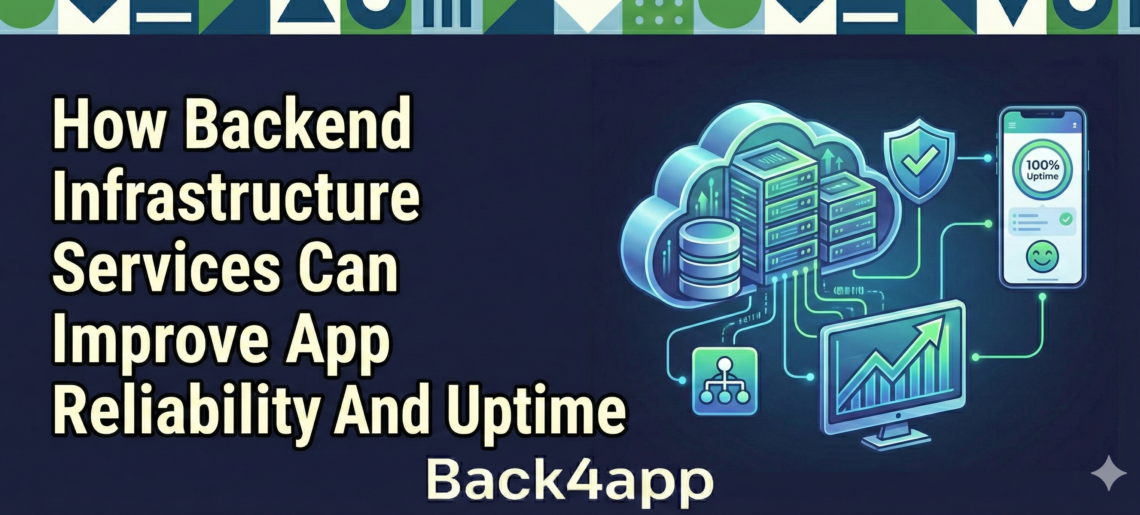
When people launch your app, they expect it to work. They’re not thinking about what’s happening behind the scenes. But we are.
That’s why having strong backend infrastructure services in place makes a big difference when it comes to how users experience the app, especially when traffic spikes.
Slow load times, error messages, or full-on crashes can send people away quickly. And once trust is broken, it’s not always easy to get back.
A reliable backend doesn’t just support how the app runs; it helps keep everything steady no matter how many users show up or how fast things grow.
With a dependable system supporting your app’s workload, you can worry less about sudden surprises and more about delivering value.
Contents
- 1 What Makes an App Unreliable?
- 2 How a Strong Backend Keeps Things Steady?
- 3 Staying Online During Busy Seasons
- 4 Growing Without Breaking Stuff
- 5 Keeping Things Smooth All Year Long
- 6 A Smarter Way to Keep Users Happy
- 7 FAQ
- 8 Why do apps often struggle or crash during busy seasons like the start of the year?
- 9 How do backend infrastructure services improve the actual user experience?
- 10 Can I scale my app’s features without risking the stability of existing tools?
What Makes an App Unreliable?
There’s nothing more frustrating than using an app that lags or crashes in the middle of something important. It’s even worse when those issues happen right when a lot of people are using it, like during January health kicks, early-year sales, or the return to post-holiday routines.
- Apps can freeze or crash when the backend isn’t strong enough to handle user activity.
- Slow response times cause users to give up before the app has a chance to load.
- Without enough planning, small issues during off-hours can turn into big problems during busy windows.
It’s not just about design or features. If the foundation can’t hold up under pressure, people will notice, and they’ll stop coming back.
An app that works perfectly during slow hours but fails when things pick up isn’t reliable. That’s why understanding what makes an app stumble, especially during key moments, is an important step in building better systems and improved experiences.
How a Strong Backend Keeps Things Steady?
Behind every swipe, tap, or message, there are systems working to make it all happen fast and securely. A strong backend is like the nerve center that keeps everything organized and responding at the right time.
- It makes sure data is protected, especially when users log in, make changes, or interact with personal info.
- Files, updates, and messages load more smoothly when traffic is distributed the right way.
- Smart hosting setups can shift resources so nothing slows down even when usage jumps.
Back4App provides managed hosting, automatic scaling, and database replication, directly supporting application uptime and seamless high-traffic handling.
With dependable backend infrastructure services in place, we can keep things moving no matter what’s going on up front.
The invisible work of these services helps ensure that users feel confident every time they open the app, whether it’s once a week or several times a day. This confidence in your app builds loyalty over the long run.
Staying Online During Busy Seasons
January is often a time when traffic spikes. New apps launch, updates roll out, and people return to daily habits after the holidays. A lot can go wrong if the backend isn’t prepared to handle the pressure.
- Backend tools like auto-scaling help apps stay awake and alert, even when usage jumps quickly.
- Load balancers direct people to the right systems so one part doesn’t break under pressure.
- Extra planning and built-in flexibility stop crashes before they happen.
Back4App’s infrastructure automatically scales storage and compute, balancing loads and supporting disaster recovery with frequent backups.
When we’ve set things up to adjust instead of react, we spend less time fixing and more time moving forward.
In fact, the confidence to add new features or expand marketing comes from knowing your foundation is solid, even under the heaviest loads.
Seasonality and spontaneous traffic surges become manageable when you have a backend that flexes and resists breaking.
A well-prepared backend can also help reduce the number of fire drills for your development and ops teams. Instead of scrambling to put out fires, your technical staff can focus on new projects, stability tests, and user-centric improvements.
Growing Without Breaking Stuff
Adding new features or opening up to more users can be exciting, and a little nerve-racking. But growth doesn’t have to mean trouble if the backend is ready to stretch with us.
- Good backend design supports scaling without making the app slower.
- Real-time systems make sure things like messages, notifications, and updates work across all devices.
- As the app expands, our backend tracking helps us stay ahead of any issues before they become user problems.
Growth should feel like progress, not a gamble. With strong support behind the scenes, we can build new things without breaking what already works.
The peace of mind that comes from a dependable backend means you can launch marketing campaigns, introduce new features, or expand into new markets without dreading a sudden surge.
It’s much easier to adapt to opportunity or challenge when your foundation is built to grow and evolve.
A flexible backend also means you can test ideas and roll out changes with reduced risk, knowing the system will adapt to feedback, user numbers, and technical tweaks.
This approach to backend infrastructure lets product managers, developers, and business leaders focus on innovation instead of firefighting.
Keeping Things Smooth All Year Long
Even during slower times, backend maintenance matters. Quiet days are perfect for handling small updates, testing new features, or cleaning up things that could cause issues later.
- Small bugs and quick updates are easier to handle when the system stays balanced.
- Regular backend upkeep keeps systems healthy and easier to manage.
- Built-in tools help developers make changes safely without affecting user experience.
By staying steady year-round, we get to focus on what’s next instead of constantly putting out fires.
Maintenance is not just about avoiding downtime, but about optimizing performance and getting ready for future growth.
The more time you can spend refining your processes and preparing for big launches, the smoother things will run when new demands arise.
A proactive approach to backend management means you are always ready, whether it’s for a sudden rush or a quiet rollout.
A Smarter Way to Keep Users Happy
App users won’t always think about what’s running your backend, and honestly, they shouldn’t have to. What they notice is how fast the app opens, how easily it works, and how rarely it crashes. That kind of reliability builds trust.
Backend infrastructure services work quietly in the background to keep things going, even when things get busy or complicated.
As we head into the new year, it will be more important than ever to have systems that support that kind of consistency.
When the backend is stable, we can count on happier users, fewer interruptions, and apps that stay ready for whatever comes next.
A reliable backend does more than just limit downtime. It allows for innovation, faster updates, and new integrations to happen with greater confidence.
Users may not understand all the details, but they appreciate fast, uninterrupted access to features that make their lives better. Continuous stability and smart upgrades are what set strong apps apart from the rest.
Keeping apps running smoothly takes more than wishful thinking, it takes systems that are steady and ready for change.
That’s why we at Back4App rely on strong setups that support performance, even during the busiest times. With reliable support and the right setup, you can focus on building great experiences instead of worrying about slowdowns.
When your app depends on solid backend infrastructure services, our team is ready to help you plan ahead and keep everything moving forward without hiccups.
FAQ
Why do apps often struggle or crash during busy seasons like the start of the year?
It usually happens because the infrastructure isn’t built to flex. Traffic spikes—like those from “New Year, New Me” resolutions—overwhelm static servers. Without auto-scaling and load balancers to distribute the heavy lifting, the system buckles under the pressure, leading to lag or full crashes.
How do backend infrastructure services improve the actual user experience?
Users don’t see your server, but they feel its performance. A strong backend acts as a quiet nerve center, ensuring data loads instantly and updates sync across devices. This consistency builds user trust, which is far more efficient than trying to win back a frustrated audience after a service failure.
Can I scale my app’s features without risking the stability of existing tools?
Yes, if your foundation is designed for growth. Managed platforms use database replication and flexible hosting to let you add features or new users without a total code rewrite. This shifts growth from a high-stakes gamble into a predictable process where the system stretches instead of snapping.