How To Pick A Backend For React Apps That Matches Your Stack?
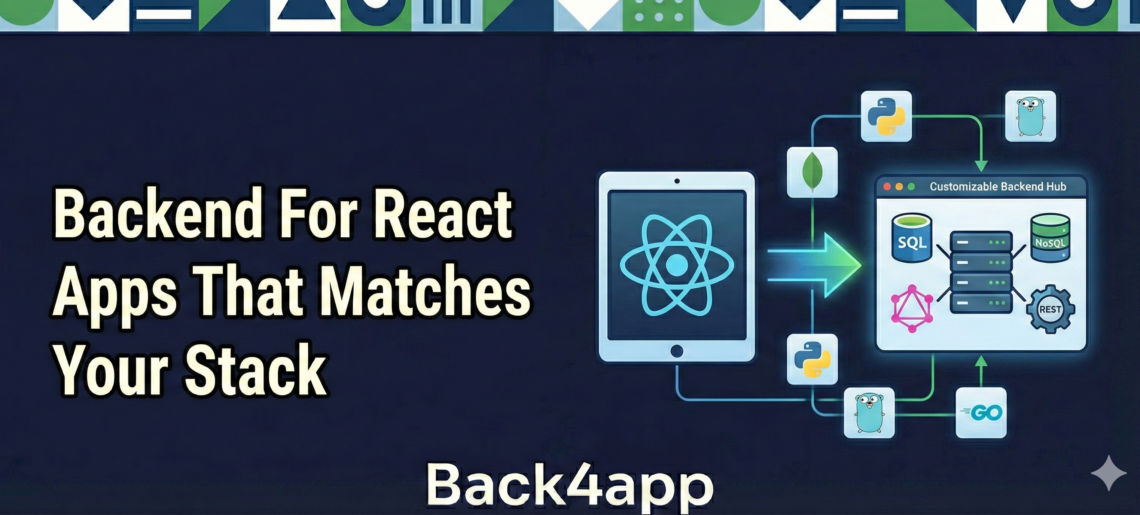
React is one of the most common tools developers reach for when building web apps. It’s quick, flexible, and easy to work with on the front end. But React can’t do it all on its own.
Any app needs smart tech behind the scenes to handle data, users, and real-time updates. That’s where the choice of backend becomes a big deal.
The truth is, there’s no single right answer for what backend to pair with React. It depends on how your app works, what tools you’re using already, and what your team is comfortable with.
Picking a backend that works smoothly with React means fewer surprises later. When we match the backend for ReactJS to the rest of our stack, we save time, avoid headaches, and build faster without cutting corners.
Contents
- 1 What ReactJS Needs From a Backend?
- 2 Making Sure It Fits Your Stack
- 3 Hosting, Setup, and Maintenance Made Simple
- 4 Why Your Choice Impacts User Experience?
- 5 Building Confidence in Your Backend
- 6 Choosing What Works Today, and Later
- 7 Start Your React Project the Right Way
- 8 Simplifying the Connection with Back4app
- 9 FAQ
- 10 Why does a React application need a dedicated backend “anchor”?
- 11 How do I determine if a backend service “fits” my existing development team?
- 12 What backend features help avoid “maintenance panic” during traffic spikes?
What ReactJS Needs From a Backend?
A good backend should make our frontend’s job easier, not harder. React is built with reusable components that handle how a user sees and interacts with the app. But those components still need somewhere to load data from, send input, and keep everything up to date.
- React moves fast, and the backend has to keep up. That means handling real-time changes without slowing down. Whether users are typing messages, submitting forms, or switching between screens, they expect reactions right away.
- React apps often run across different devices, so the backend should stay consistent no matter where the request comes from.
- It helps when the backend is flexible too. As we add features or change how data flows, we may need the backend to grow along with it without constant major updates.
When those needs are met, the app just feels smoother. It’s about speed, but clear communication between the frontend and backend keeps bugs and mismatches to a minimum.
The backend acts as the anchor, letting the frontend update visuals and collect inputs while always having the latest data.
This means users experience fewer hiccups, and developers can trust that the user interface will reflect real information at all times.
Making Sure It Fits Your Stack
Choosing a backend just because it’s popular isn’t the best move. A smarter way is to ask how well it fits the tools and habits we already use. That fit cuts down on friction and helps everyone on the project work faster.
- If we already use certain databases, cloud services, or frameworks, picking a backend that connects easily to those can save a lot of setup time.
- Our tech choices should match the experience of the development team. If the backend uses code or patterns we know well, the handoff between frontend and backend becomes a lot smoother.
- While we want something that works now, we also have to think about what comes next. A good setup doesn’t need to be torn down every time the app gets an update or more users join.
Looking at our current stack and future goals helps us avoid starting from scratch later. That makes the backend a helpful part of the project, not just a hidden piece we try not to mess with.
This also means less friction when onboarding new developers or scaling the app to handle more users in the future.
Having tools that the team already knows can cut down the time needed for updates, bug fixes, and new feature rollouts.
It also helps to maintain a consistent development rhythm, so projects stay on track with less downtime for troubleshooting.
Hosting, Setup, and Maintenance Made Simple
It’s easy to get caught up in how a backend works and forget about what it takes to keep it running. Hosting, updates, security patches, and backups can become a heavy lift if we’re not careful.
- The best backend setups don’t need constant fixing. They run in the background and stay out of the way while we focus on building the app.
- Auto-scaling, built-in backups, and security tools can remove a lot of manual work. They keep the app up and safe, especially during busy seasons or unexpected traffic jumps.
- If we can manage everything from one place, it’s easier to keep track of what’s working and what isn’t.
Back4app gives us a low-code backend platform with a dedicated dashboard, so we can manage our databases, APIs, and app settings all in one place.
Built-in tools include automatic scaling, backup, and security layers, reducing the need for manual maintenance.
Every decision here affects how confident we feel when traffic spikes or when we push new features live. A backend that just works means fewer last-minute surprises or maintenance panic on weekends.
No one wants to stay up late handling avoidable issues, so an efficient backend choice helps ensure that maintenance rarely interrupts our development process.
Plus, if problems do arise, having centralized monitoring tools makes it easier to identify and resolve any trouble quickly, which helps keep user satisfaction high.
Why Your Choice Impacts User Experience?
Users may never see the backend, but they’ll notice when it’s not doing its job. That can show up as slow loading, things freezing, or parts of the app that don’t open or respond correctly.
- A backend for ReactJS that’s built for speed helps every tap or scroll feel fast and smooth.
- When everything lines up, media loads quicker, updates show up in real time, and no one’s left staring at a stuck spinner.
- It also makes a big difference across devices. From phones to desktops, users expect the same fast results wherever they log in.
React can do a lot on the frontend, but it still depends on fast and reliable backend responses. Every delay or skipped update adds up.
Keeping users happy means starting with the right tech underneath. When updates appear instantly and images load without delay, people tend to trust and enjoy using the app more.
Fast reactions and reliable performance turn small interactions into positive experiences that keep users coming back.
Building Confidence in Your Backend
Trusting your backend starts with knowing what it’s handling and how well it’s doing it. The more we plan ahead, the more we catch problems early and stay out of emergency mode.
- Make a list of everything your app relies on behind the scenes. That might include logins, user data, content updates, or image files.
- Watch how your backend handles different loads. Use simple tools or checks to make sure it performs well before things get busy.
- Asking for help isn’t a setback. Getting the backend right early on saves time and stress later.
It’s better to feel ready than to scramble when there’s a sudden spike or launch. Clear planning, smart tools, and outside support can turn a fragile setup into one we trust.
Building confidence also means tracking user feedback and using that insight to address bottlenecks or common issues as soon as possible. This approach leads to consistent performance and fewer unexpected roadblocks as the app grows.
Choosing What Works Today, and Later
Putting together a React app is about more than what users see. A good backend links all the moving parts. It lets us launch features faster, avoid crashes, and scale without panic.
- When our backend choice plays well with everything we’ve already built, we stay more productive. The pieces fit without extra work.
- A smooth backend setup cuts down testing time and keeps things more stable when we roll out updates.
- As our app grows, or when more users show up, we’ve already built something strong underneath that can keep up without breaking.
Back4app integrates with React apps using REST and GraphQL APIs, letting us connect our frontend to our backend in a way that matches the modern JavaScript ecosystem. Our tools make it easy to add new features without complicated rewrites, supporting long-term growth.
Frontend changes may grab attention, but it’s the backend that keeps the whole thing steady. Choosing the right one now makes it easier to grow, test, and build, one step at a time.
That’s how we stay ahead without having to rebuild later. With a solid match between React and the backend, teams can adapt more quickly as user needs shift or new product opportunities come up, so the whole project stays on track.
Start Your React Project the Right Way
Choosing the right tools from the start can make your React projects smoother and more scalable. We understand that a solid backend sets you up for success, which is why we always prioritize selecting the best backend for ReactJS when beginning new work.
At Back4app, our platform handles the details so you can focus on building and growing. Ready for a flexible and dependable solution that supports your vision? Contact us today to get started.
Simplifying the Connection with Back4app
Matching a high-performance React frontend with a manual backend build can often lead to a “bottleneck” where your UI is ready, but your server logic is still lagging behind.
Back4app bridges this gap by offering a Backend-as-a-Service (BaaS) specifically designed to mirror the speed and flexibility of the React ecosystem.
By utilizing Back4app, you can skip the repetitive “boilerplate” of backend development and gain immediate access to:
- Automated APIs: As soon as you define your data classes in the visual dashboard, Back4app generates fully functional REST and GraphQL APIs. This allows your React components to fetch and sync data using the modern JavaScript tools your team already knows.
- Real-Time Capabilities: For apps requiring instant updates—like chat interfaces or live dashboards—Back4app’s Live Queries push data changes to your React frontend the moment they happen, without requiring a page refresh.
- Worry-Free Infrastructure: Focus on your JSX and CSS while the platform handles automatic scaling, security patches, and daily backups. Whether you have ten users or ten thousand, your backend adapts to the load so you don’t have to.
Instead of spending weeks configuring servers and security rules, you can connect your React app to Back4app in minutes, ensuring your “hidden engine” is just as modern and reactive as your user interface.
FAQ
Why does a React application need a dedicated backend “anchor”?
While React is excellent for building fast, reusable UI components, it cannot store data permanently or handle security logic on its own. A backend acts as an anchor for your app, managing user authentication, storing sensitive information, and ensuring that data stays consistent across every device a user might use to log in.
How do I determine if a backend service “fits” my existing development team?
A smart fit depends on your team’s existing habits and technical experience. If the backend uses communication patterns your team is already comfortable with—such as REST or GraphQL APIs—it reduces the “handoff” friction between the frontend and backend. Choosing a familiar setup prevents you from having to restart from scratch as your React project grows.
What backend features help avoid “maintenance panic” during traffic spikes?
To keep your app running smoothly without manual intervention, look for a backend that offers auto-scaling, built-in backups, and automated security patches. These tools handle the heavy lifting in the background, ensuring your React app remains responsive and safe during busy seasons without requiring last-minute fixes or weekend maintenance.