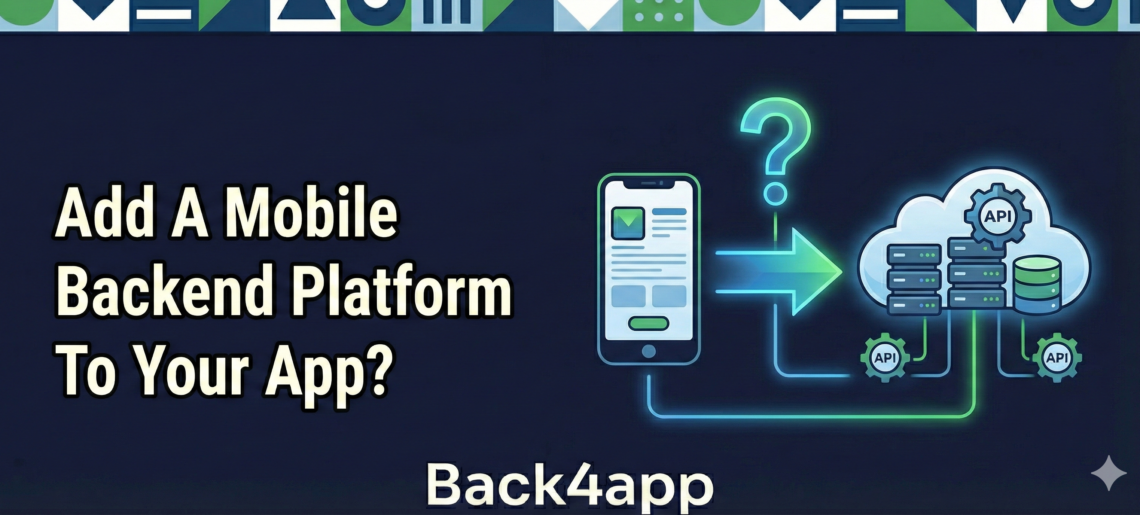
When Should You Add A Mobile Backend Platform To Your App?
When building a new app, it’s easy to focus on features, screens, and how everything looks. That part can be fun.
But behind all the user actions, like clicking a button, logging in, or sending a message, there is a lot of work happening behind the scenes. If your app tries to handle everything by itself, it can only go so far before things start to break down.
A mobile backend platform gives your app the support it needs to run smoothly. It helps with things like storing data safely, keeping track of users, and making sure updates happen fast.
Not every app needs this help right away. Still, there comes a time when adding backend support is less of a choice and more of a must. Here are some of the signs that show when it is time to bring in that extra help and why the timing matters.
Contents
- 1 When Your App Is Doing Too Much on the Front End
- 2 You Need Users to Log In, Save Progress, or Share
- 3 Real-Time Features or Notifications Are in the Plan
- 4 You Are Adding More Users, Features, or Teams
- 5 Simplifying the Transition with Back4app
- 6 Built to Grow Without Slowing Down
- 7 Grow With Confidence
- 8 FAQ
- 9 What are the signs that my app needs a mobile backend platform?
- 10 How does a backend service help when an app starts to grow?
- 11 How does Back4app simplify backend development for new apps?
When Your App Is Doing Too Much on the Front End
If your app is just getting started, you might have it doing everything right on the user’s phone or browser. For basic tasks, that might be just fine. But once users start doing more, your app starts feeling the strain.
- Apps running everything on the front end can slow down, freeze, or crash when they try to do too much.
- Features that involve data, like saved settings, pictures, or messages, can get harder to manage without help.
- When data grows or user numbers climb, it is like expecting a small cart to pull a whole train.
Shifting some of that load to a backend can take pressure off the app and make it easier to manage. That way, users do not get frustrated when things stop working. As your app adds more tools, it is ready to handle them without lagging behind.
Once users can log into your app, everything changes. Now you are responsible for keeping their info safe and helping them pick up where they left off.
You want those accounts to work whether they are opening the app on their phone, tablet, or a new device later.
A mobile backend platform helps make that possible. It can:
- Manage logins and passwords safely.
- Let users access their accounts from different devices.
- Keep their progress saved and synced in the background.
We make it easy to use authentication, user roles, and password recovery with built-in features accessible through a simple dashboard.
This kind of support becomes necessary when your app starts doing more than just showing content. If users expect that their profiles, data, or chats will always be there, backend support makes it possible to keep that promise without overloading your app’s basic setup.
Real-Time Features or Notifications Are in the Plan
Some features cannot wait around. Think about things like chatting with friends, getting an alert when someone replies, or playing a game that updates live. These features count on speed and timing, and that is where backend support plays a big role.
Here is what real-time tools need:
- A backend system that listens all the time and responds right away.
- A way to send notifications without depending on the app being open.
- A place to process new messages, updates, or status changes instantly.
We provide live queries and push notifications, letting your app handle real-time chat, alerts, and instant updates without complicated coding.
Trying to build this kind of setup without a backend can lead to long waits and frustrated users. If your app is heading in this direction, setting up a mobile backend platform early can help the build go smoother and avoid rushed fixes later.
You Are Adding More Users, Features, or Teams
Growth is exciting, but it also adds pressure. More users means more requests, more saved data, and more chances for things to break if the app cannot keep up. The backend helps support this kind of growth without slowing things down.
- A backend can scale to match new traffic without the app crashing.
- It gives growing teams a shared place to build, test, and manage features.
- It helps updates run smoothly across many users, devices, and time zones.
Our platform is built to scale from a small MVP to handling thousands of users, so you do not need to switch services as your app grows.
Letting your app carry more without straining its limits means your team can keep building without worrying about breakdowns or delays. Planning for growth early makes the road a lot smoother when things really start picking up.
Simplifying the Transition with Back4app
Recognizing that your app needs more power is the first step. However, the thought of setting up servers and managing complex infrastructure can feel overwhelming, especially if you want to keep your team small and focused.
This is where Back4app bridges the gap. We provide a low-code backend solution that lets you implement these advanced features without writing boilerplate code from scratch.
By choosing a managed platform, you gain immediate access to tools that would otherwise take months to build:
- Visual Database: Organize and manage your app data effortlessly through an intuitive dashboard.
- Instant APIs: We automatically generate REST and GraphQL APIs for your database, saving you countless hours of coding.
- Open-Source Foundation: Built on open-source technology, our platform ensures you avoid vendor lock-in while enjoying enterprise-grade reliability.
Instead of pausing development to learn server management, you can plug Back4app directly into your project and keep building the features your users love.
Built to Grow Without Slowing Down
Not all apps start with a backend, and that is fine for early testing or small launches. When features get bigger or people start depending on the app for more, it makes sense to bring in backend support before things go wrong.
Adding a mobile backend platform helps the app move from a simple tool to something people trust and use every day.
It does not have to be complicated. It just needs to work well behind the scenes, so your app can keep pushing forward. Whether you are launching a new idea or improving something that is already live, taking this step at the right time saves effort down the line and helps everything run as it should.
Grow With Confidence
When it is clear your app is doing too much on its own or needs stronger support for users, it is a good time to think about what comes next. A strong backend helps now and prepares you for what is to come.
Growing your app quickly while keeping performance strong requires a dependable foundation from the beginning.
Many teams struggle when features expand or user numbers surge, but with a solid mobile backend platform, your project has space to scale without hiccups.
If determining the right setup feels complex, our experts at Back4app are here to help you choose the best support for your unique needs.
FAQ
What are the signs that my app needs a mobile backend platform?
You should consider adding a backend if your app is slowing down or crashing due to heavy data processing on the front end. Other clear signs include the need for user logins, saving progress across different devices, or implementing real-time features like chat and push notifications.
How does a backend service help when an app starts to grow?
A backend service is built to handle increased traffic and larger amounts of data without straining the app’s performance. It allows your app to scale automatically—supporting thousands of new users and complex features—so you don’t have to worry about crashes or manual server upgrades during growth spurts.
How does Back4app simplify backend development for new apps?
Back4app replaces the need for complex server management with low-code tools. It provides features like a visual database and automatically generated REST and GraphQL APIs, which allow developers to set up a professional backend in minutes rather than spending months writing boilerplate code.