Monthly Archives

5 Articles

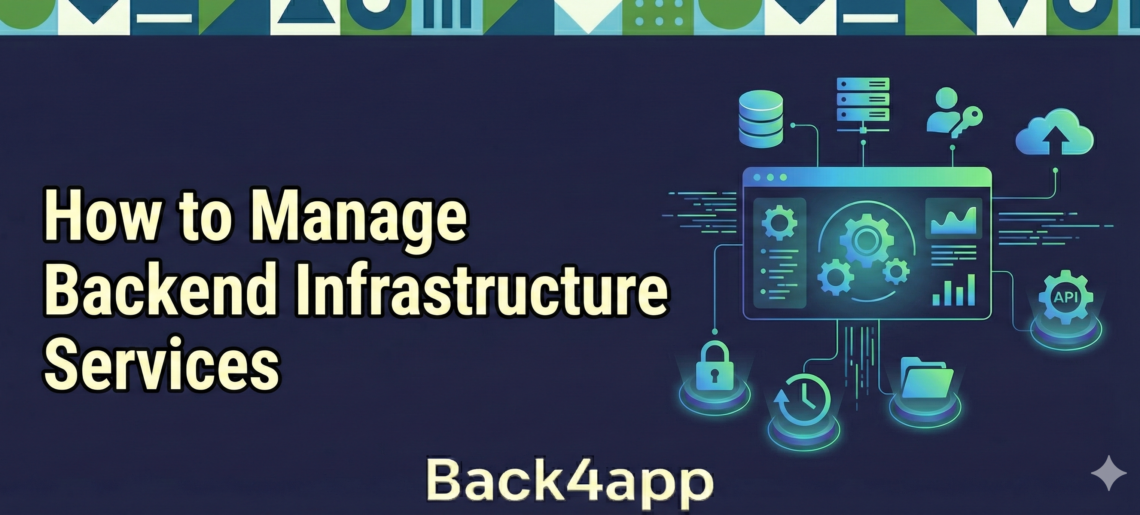
How to Manage Backend Infrastructure Services

How to Manage Backend Infrastructure Services
FHow to Manage Backend Infrastructure Services

Managing backend infrastructure services can feel like a lot, especially when you’re trying to build something fast without slowing down on the parts that really excite you, like designing features and making your app better. If you’ve ever felt frustrated tinkering with servers or fixing bugs in the middle of the night, you’re not alone.

Most of us want to stay focused on building cool things, not troubleshooting invisible systems. That is why knowing how backend infrastructure fits into app building can really help.

In this post, we will walk through what backend infrastructure services are, why they matter, and how to manage them without getting buried in tech details.


Compare Features of Popular Mobile Backend as a Service Solutions

Compare Features of Popular Mobile Backend as a Service Solutions
Features of Mobile Backend as a Service Solutions

Building a mobile app can be a lot of fun right up until you hit the technical steps that slow you down.

That is where mobile backend platforms really help out. They handle the behind-the-scenes work like saving data, managing user accounts, and keeping your app updated so you do not need to architect all that on your own.

These platforms are key tools in a builder’s kit. They give you the essential building blocks to keep your app working smoothly without the need for hard backend coding or complicated server setups.

Today, we are comparing the most popular options, outlining what they offer, how they function, and what to consider when choosing one for your mobile project. Whether you are just starting out or ramping up your next big project, understanding these services can save you time and stress.


What Are the Leading Mobile Backend as a Service Providers?

What Are the Leading Mobile Backend as a Service Providers?
Leading Mobile Backend as a Service Providers

Every mobile app has something working behind the scenes to keep it going. That hidden part is called a backend.

It takes care of all the data, user accounts, messages, and other behind-the-curtain features that help the app run smoothly for users.

A mobile backend as a service (MBaaS) makes this process easier. Instead of building all that background stuff from scratch, we can use a ready-made mobile backend platform.

It saves time, cuts out the tricky setup work, and helps developers focus on building great apps. Picking the right one really matters because it shapes how fast and smoothly an app can come to life.


Which Mobile Backend as a Service Platforms Offer Easy Integration With iOS Apps?

Which Mobile Backend as a Service Platforms Offer Easy Integration With iOS Apps?
Best Backend for iOS Apps

Mobile apps are part of everyday life, especially for people who use iPhones and iPads. These devices have their own style, and users expect their apps to perform smoothly without crashing or acting strange. That means developers need to build with care from the start.

One of the best ways to keep things simple is to use a mobile backend as a service platform. These tools take care of the parts users do not see, like storing data or sending updates.

When you are building an iOS app, the right backend can make things go a whole lot faster. In this post, we are focusing on mobile app backend hosting platforms that work well with iOS.

Our goal is to help you understand what to look for so you can choose a backend that keeps development quick and easy.


The Value of a Serverless Backend Platform

The Value of a Serverless Backend Platform
Serverless Backend Platform

Every app has a backend. Think of it like the behind-the-scenes part of a play. Your users do not see it, but it is what makes everything work. It stores data, sends updates, and keeps everything running. Without it, your app would not do much at all.

That is where a serverless backend platform comes in. It offers a way to run all the behind-the-scenes operations without having to worry about complicated infrastructure.

There is no need to buy or manage servers, or set up rooms of machines. You can keep building without troubleshooting every little issue. It just works in the background while you put your energy into what your users see and experience.

Backend infrastructure has traditionally required a lot of upkeep, from setting up hardware to handling server outages and managing upgrades.

For most developers, these tasks take away from building features and delivering value to users. By using serverless platforms, you get to skip the infrastructure headaches and move right into development. This allows you to get your ideas to market faster and adapt as your project grows.


open
Build, deploy and scale your app with Back4App Containers

open
Build, deploy and scale your app with Back4App Containers. Start today!