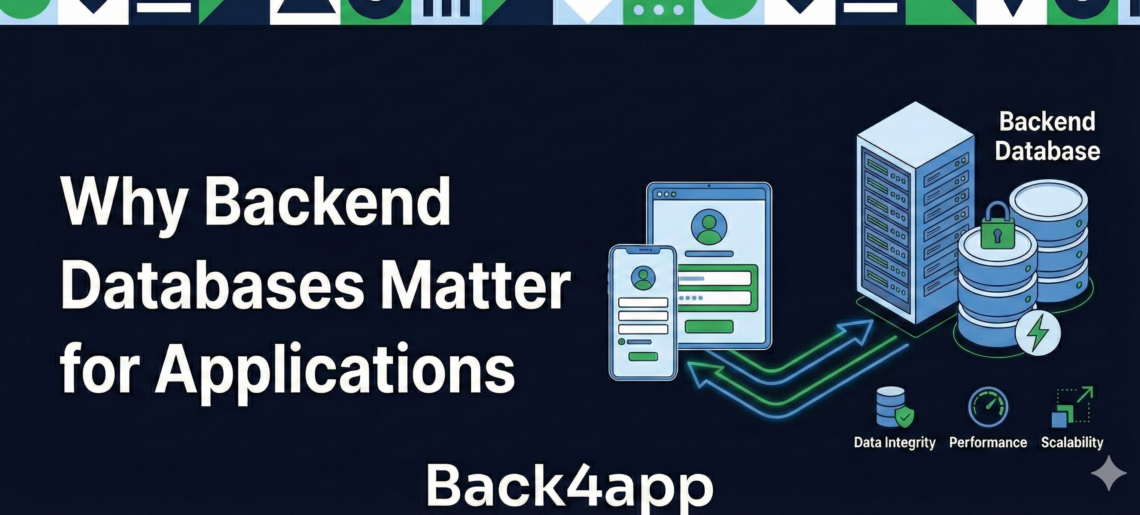
Why Reliable Backend Databases Matter for Applications
Apps are a big part of our everyday lives. We use them to chat with friends, book rides, order dinner, and so much more. But one thing we do not always see is what keeps those apps working smoothly in the background.
A reliable backend database is doing a lot of the heavy lifting. It is what makes sure your info is saved, your messages go through, and your settings stay put each time you open the app.
During the winter season, especially around the holidays, more people are using apps at the same time. That puts extra pressure on the systems behind them.
If those systems are not built strong with a steady backend, things can slow down or completely fail. That is why we are talking about how backend databases help apps run better, no matter how big they get or how many people are using them at once.
Contents
- 1 What Is a Backend Database and What Does It Do?
- 2 Why Apps Slow Down or Break Without Reliable Databases?
- 3 Real-Time Access and Updates Keep Apps Running Right
- 4 Growing with Your App: Handling More Users and Data
- 5 Stress-Free Holiday Season with the Right Tech Behind You
- 6 Why Back4app Makes the Difference for Your Applications?
- 7 FAQ
- 8 What is the primary role of a backend database in an app?
- 9 Why do apps often crash or slow down during the holiday season?
- 10 How does a platform like Back4app help an app handle growth?
What Is a Backend Database and What Does It Do?
Think of a backend database like a super-organized storage room behind the scenes. When you open an app, you are seeing the front door and the decorations. But behind that door is where all the important stuff is kept. That is the database.
Apps use databases to keep track of everything users see and do. This includes logging in, saving names and passwords, storing uploaded pictures, and keeping track of settings.
For shopping apps, it could be past orders or wishlist items. For messaging apps, it is the words you type and the photos you send.
Most of us never notice the backend, and that is the point. A great backend keeps everything running quietly in the background without slowing anything down. You tap a button, and your profile loads right away.
That smooth feeling is thanks to a database doing its job fast and correctly. This seamless performance is why users may not think twice about what makes the app so responsive and reliable behind the scenes.
Why Apps Slow Down or Break Without Reliable Databases?
When a backend database is not sturdy, things can get frustrating quickly. Think of trying to order something online and nothing happens after you hit the button.
Or maybe your info does not load, or the app suddenly closes. All this can happen if the database is not able to handle what the app is trying to do.
This becomes even more common during high-traffic times like the December holidays, when lots of people hop onto their favorite apps at once.
Without the right kind of database support, an app cannot keep pace. Data might get delayed or disappear completely, causing users to give up or look for other options.
A well-built backend database helps stop these problems before they start. It stays strong under pressure and answers quickly when the app asks for something.
That means faster loading, fewer crashes, and happier users. Consistent database support reduces the number of interruptions and improves the experience for users who rely on the app day after day.
Real-Time Access and Updates Keep Apps Running Right
Most people expect apps to work right away. We send a message and want it to deliver instantly. We upload a post and want others to see it fast. For that to happen, the backend database has to respond in real time.
If the database is slow or confused, it creates delays. Messages may get stuck halfway or never send at all. In some cases, the app might show a loading screen that never finishes. Those are all signals that the backend is not keeping up with what is being asked.
Fast, reliable backend databases handle changes and updates as they happen. Whether it is syncing your contacts or saving a new photo, they get it done without slowing the app down. That way, you do not have to wait around or wonder if your update worked.
End users appreciate when technology works seamlessly, and real-time database operations can make a big difference by providing immediate feedback and smooth interactions.
Growing with Your App: Handling More Users and Data
As apps get more features or more popular, they gather more data and attract more users. That is a good thing, but it also means the backend database has more to do. If it is not ready to handle that growth, things can start to break.
For example, an app that starts with a few hundred users might work fine in its early days. But if it jumps to thousands or even millions of users, the pressure on the backend increases fast. More pictures to store. More profiles to manage. More updates happening all at once.
That is where reliable databases stand out. They let the app grow without falling apart. They can scale up in the background, taking on more of the work as needed.
That makes your app ready not just for today’s traffic but for tomorrow’s new users too. Being able to trust your backend to adapt as your audience expands means you spend less time worrying and more time adding value to your product.
Stress-Free Holiday Season with the Right Tech Behind You
The holidays are a busy time for everyone, including apps. Shoppers are placing online orders, families are sharing pictures, and travel apps are helping people get where they need to go. A dependable backend helps those apps power through the rush without stumbling.
When the backend database is steady, businesses do not have to spend their time fixing crashes or answering user complaints. Instead, they can focus on what matters, helping their users and growing the app.
A strong backend turns a stressful season into something much smoother. Even during quieter seasons, maintaining solid backend infrastructure ensures a consistently positive experience for users at any time of year.
Why Back4app Makes the Difference for Your Applications?
Partnering with a reliable backend provider like us brings peace of mind to teams of all sizes. We deliver a comprehensive Backend-as-a-Service platform designed specifically for rapid app development and reliable scaling.
Developers can take advantage of pre-built authentication, real-time updates, and an intuitive interface that makes handling both mobile and web app backends straightforward. In addition, our platform removes the need to manage infrastructure so you can focus on building new features and scaling confidently.
Relying on the right setup behind the scenes means fewer headaches and better performance, not just during a holiday rush but all year long. A reliable backend database does not just keep things running, it helps apps grow and improves everyday experiences for everyone who uses them.
At Back4app, we know how important it is to keep your apps running smoothly through every season. Whether you are prepping for a surge in users or just want things to stay stable day after day, having a solid backend database in place makes all the difference.
It helps speed things up, manage growth, and keep updates from missing the mark. Whether you are building something new or fine-tuning what you already have, we are here to help you stay on track. Let’s talk about how we can support your app’s backend needs.
FAQ
What is the primary role of a backend database in an app?
A backend database acts as a secure, organized storage room that handles all essential “behind-the-scenes” data. It is responsible for saving user information, tracking account settings, and managing content like messages or photos so they are ready whenever the user opens the app.
Why do apps often crash or slow down during the holiday season?
Apps face extreme pressure during high-traffic times like the December holidays because many people use them simultaneously. If the backend database isn’t sturdy enough to process all these requests at once, the app may lag, data could be delayed, or the system might fail completely.
How does a platform like Back4app help an app handle growth?
Back4app provides a “Backend-as-a-Service” that automates infrastructure management and real-time updates. This allows the database to scale up automatically as your user base grows, ensuring the app remains fast and responsive without requiring developers to manually fix server issues.