Back4app Editorial Team

How to deploy a static site?

How to deploy a static site?
How to deploy a static site_

Cloud computing has revolutionized the way software applications are developed, deployed, and managed. According to a recent report, the global cloud computing market is expected to grow to $832.1 billion by 2025, at a CAGR of 17.5% from 2020 to 2025.

With this exponential growth, containers have emerged as a popular way to package and deploy applications. In this article, we will discuss how to build and deploy static sites using Back4app containers.


Top 10 Docker Hosting Platforms

Top 10 Docker Hosting Platforms
Top 10 Dockers hosting providers

Unleashing the power of Docker technology doesn’t have to be a daunting task. With the right hosting solution, you can get up and running with your applications quickly, deploy faster and scale quicker with minimal effort.

From Back4app Containers and Heroku to innovative Docker hosting providers – there are plenty of options available for managing your Docker containers. But how do you decide which one is best for you?

Well, look no further! We’ve got the top 10 Docker hosting platforms in 2023 all lined up for you. Whether you’re looking for advanced features or an easy-to-use solution, these picks offer guaranteed performance, scalability, and reliability.

So save yourself the hassle of researching each option in detail – this curated selection has something to suit everyone’s needs. Get ready to welcome optimized containerization into your infrastructure!


Top 10 Django Hosting Providers 

Top 10 Django Hosting Providers 
Top 10 Django hosting providers

Django is an open-source web development framework used to create complex websites and applications. It has been gaining popularity for its scalability, reliability, and flexibility. However, finding the right Django hosting provider can be a challenge as there are many options available in the market today.

With so many Django hosting providers offering different features such as uptime guarantee, SSL certificates, customer support, and more, it can be difficult to choose the best Django hosting solution for your project. In this article, we will discuss the top 10 Django hosting providers you need to know about.


Top 50 Open Source React Responsive Templates

Top 50 Open Source React Responsive Templates

React is a known open-source technology that helps businesses and development teams create advanced web apps and user interfaces. In this regard, this JS library takes less time and minimum scripting efforts to build interactive UIs. However, it is arduous to find open-source React templates.

For that reason, this guide is going to present one of the best open-source React templates. Moreover, this article will also explain distinct types of templates and what kind of applications could be created with React. 


Render vs Railway App Comparison

Cloud computing has grown in popularity worldwide due to its services and expansion. Businesses have relied primarily on this for growth. But there is one concern that always lingers in business people’s thoughts: which cloud-based application to select from all the available options? If you continue reading, you will find the correct solution to this question. 

 Render, and Railway App are the most famous and recognized cloud computing solutions today, having helped many entrepreneurs quickly achieve their objectives. Businesses frequently consider their characteristics their primary weapons in the commercial sector. However, if you seem reluctant to locate the appropriate cloud-based solution, the entire learning experience may become problematic. 

 Render, and Railway App are both appropriate for your company. However, because you cannot function simultaneously with both, you must devise methods for optimal differentiation. Please keep reading to comprehend each of them entirely. 


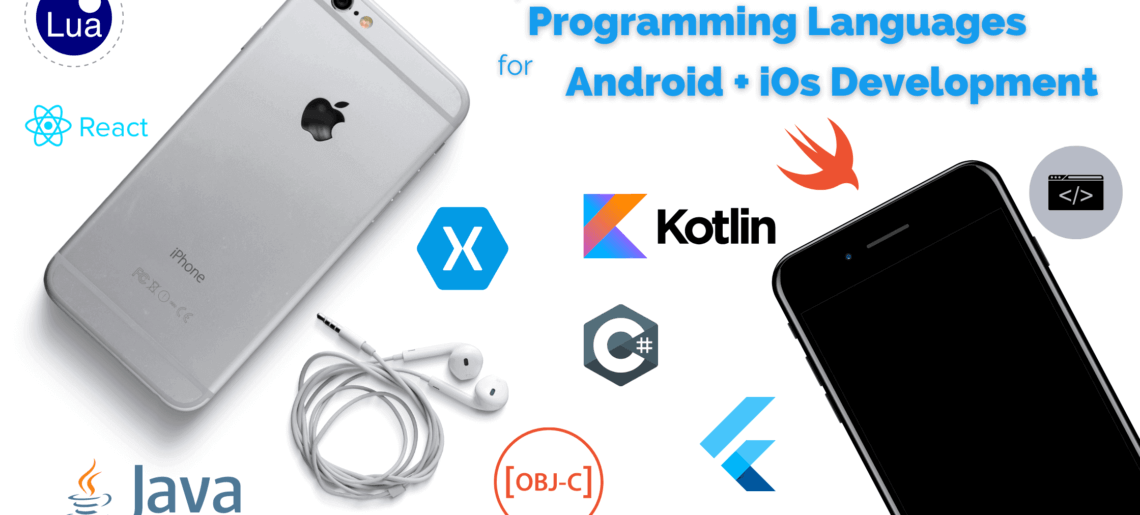
Everything You Need To Know Where To Host A Mobile App

Everything You Need To Know Where To Host A Mobile App

Mobile apps can provide businesses with many benefits, including increased customer engagement, improved customer service, increased brand recognition, and the potential to generate additional revenue through in-app purchases. Hosting makes a huge part of application development. So, knowing where to host a mobile app is necessary.

Additionally, mobile apps can provide access to analytics tools, allowing businesses to gain insights into how their customers use their apps. This data can be used to optimize the user experience and improve business operations. In fact, it is a huge market to grow at a CAGR of 23.80% by 2032, according to MRFR.

Finally, mobile apps can also provide a platform for businesses to showcase their products and services. It is especially useful for e-commerce businesses, allowing them to reach customers worldwide. 


How To Deploy a Backend?

How To Deploy a Backend?
How to Deploy a backend_

A backend is a server-side component of a web application that stores data. It consists of an application programming interface (API), database, and web server layer. You can deploy a backend on various technologies such as Java, Node.js, or Python. A better alternative is learning how to deploy a backend using managed services.

Deploying a backend involves ensuring that all components are running in the cloud. It also means ensuring they are secure and stable. It is a complex process requiring knowledge about configuring server-side technologies. These technologies include databases, web servers, and networking protocols.

A backend is essential for any web application. It enables data sharing between the client (web browser) and server. Without a backend, clients couldn’t access dynamic content or complete complex tasks. According to Future Market Insights, the BaaS market may to grow from 2022 to 2032 with a CAGR of 24.6%.

Many managed cloud services offer automated deployment options. These can help streamline the deployment process. These services allow users to deploy their backend with a few clicks. Many managed cloud services provide features such as scalability, observability, security, and more. These can help ensure the performance of the deployed application.

Keep on reading!

Steps to host an application on the cloud

Steps to host an application on the cloud

Are you looking to deploy your app on the cloud? If so, you’re not alone. Many businesses are turning to the cloud to deploy apps because of its many benefits. However, navigating the world of cloud deployment can be confusing, especially for those who are new to it.

That’s why we’ve put together this guide to help you understand cloud deployment and to go about it using some of the top cloud solution vendors.. We’ll cover the different cloud deployment models, their advantages and limitations, and the steps you need to take to deploy your app on the cloud.

By the end of this article, you’ll have a better understanding of cloud deployment and be equipped with the knowledge you need to deploy your application with confidence. So let’s get started!


Mobile App Deployment – A Step-By-Step Guide

Mobile App Deployment – A Step-By-Step Guide

A mobile app is a software application designed to run on mobile devices such as smartphones and tablets.

These apps can be used for various tasks, including gaming, entertainment, health and fitness tracking, social media engagement, video streaming, and more. Mobile app deployment involves getting an app from development to end users.

Mobile apps are becoming increasingly important for businesses, as mobile users are likelier to engage with mobile apps than mobile websites. According to Statista, the mobile app market is said to grow to a market volume of USD 641 billion by 2027 with a CAGR of 6.91%.

Mobile apps offer quick access to frequently used information and tasks, can be easily customized for a personalized user experience, and take advantage of the native features of mobile platforms such as camera support, GPS tracking, and push notifications.


Easy to implement steps to host a mobile app

Easy to implement steps to host a mobile app

Having a mobile app for your business can provide numerous benefits. It helps you engage with potential customers and strengthen relationships with existing ones by creating an interactive platform for them to communicate with you. A mobile app also allows you to stay ahead of the competition, allowing you to showcase your products or services in an effective and visually appealing way.

The global mobile application market is huge and it was valued at USD 206.85 billion. In fact, from 2023 to 2030, it is expected to grow at a compound annual growth rate of 13.8%. So, a mobile app for your business is essential to reach a wider audience efficiently.

But how do you go about hosting your mobile app? Hosting your app requires selecting the right platform, setting up the infrastructure, and configuring all of the necessary elements to ensure that it runs smoothly and securely. Here we will explain all about how to host a mobile app.


open
Build, deploy and scale your app with Back4App Containers

open
Build, deploy and scale your app with Back4App Containers. Start today!