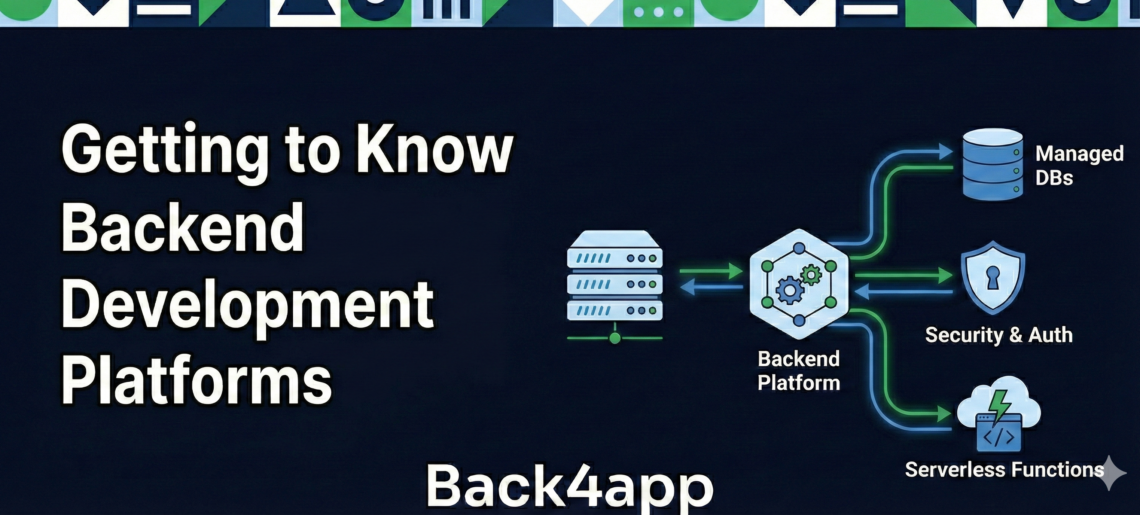
Getting to Know Backend Development Platforms
Building an app takes more than just nice colors and button clicks. While the screens people see matter, what really keeps things working happens behind them.
Apps need tools that run in the background to store data, handle log-ins, and keep everything moving. That is where a backend development platform comes in.
A backend development platform lets us skip the messy parts of setting up everything from scratch. It gives us the means to focus on building useful features without worrying about how every piece connects.
In this guide, we will look at what these platforms do and why they matter to anyone trying to build a reliable app.
Contents
- 1 What a Backend Development Platform Does?
- 2 Why These Platforms Save Time and Trouble?
- 3 Features to Look For When Getting Started
- 4 How Backend Platforms Help Teams Big and Small?
- 5 Build a Stronger App with the Right Foundation
- 6 FAQ
- 7 What is the primary role of a backend development platform?
- 8 How does a platform like Back4app save development time?
- 9 Can these platforms help an app scale as it grows?
What a Backend Development Platform Does?
The backend is like the hidden engine that powers an app. It does not show up on the screen, but it runs everything underneath. A backend development platform helps manage all those moving parts.
- It handles tasks behind the scenes like saving user data, managing accounts, and running background actions.
- It links different parts of the app together, such as what the user sees, what happens in the server, and how the database responds.
- It keeps things updated by taking care of changes without us having to do them step by step.
When all this works well, the app runs faster, stays connected, and gives users a better experience.
With platforms like Back4App, developers get out-of-the-box features for real-time data sync, authentication, and fully managed databases.
A backend development platform can also automate processes that might otherwise slow down the work.
For example, automatic updates and database backups happen in the background, reducing the chance of losing important data or causing interruptions for users.
As the complexity of an app grows, these platforms make it much easier to balance multiple moving parts, especially for those working on a tight deadline or without a large tech team.
Why These Platforms Save Time and Trouble?
One of the biggest reasons we rely on backend platforms is to avoid writing every system from nothing. These tools are built to let us move quicker and skip the parts that usually slow people down.
They help in a few big ways:
- We do not have to build things like login systems, chat features, or databases by hand every time. Most of it is already built.
- When we test and fix our app, it is easier with tools made to track errors and changes.
- If we want to add new features or grow the app later, the platform makes it smoother by already having space for that kind of work.
Back4App stands out with automated infrastructure management and API creation, so you can shift your focus toward innovative app features rather than routine setup.
Instead of solving the same problems over and over, we use the tools that are ready and let us focus on the parts that make our app unique.
By streamlining many repetitive setup tasks, backend development platforms reduce overall build times.
This lets developers iterate more quickly and adapt to user feedback much faster. Handling testing, updates, and deployments becomes more standardized, which cuts down on errors.
When platforms provide clear workflows, even onboarding new team members becomes smoother, as they can pick up established patterns right away.
Features to Look For When Getting Started
Not every backend development platform is the same, so it helps to know what features make it easier to work with right from day one.
Look for these features:
- A simple sign-up process and a dashboard that makes sense. Nobody wants to get stuck before they have even started.
- Clear ways to handle users and data. This means we can add new users, update information, or fix settings without too much guesswork.
- Support for extra tools or custom code. If we already use things like calendar APIs or messaging services, we want everything to work together.
The easier it is to get through the first few steps, the quicker we can start focusing on what we are really building.
Another useful feature is comprehensive documentation that helps you at every stage. Not only does this reduce setup time, but it gives confidence when troubleshooting or adding new features.
Built-in analytics also help teams quickly spot patterns or problems, further improving the app’s quality.
User-friendly design and smart onboarding tools are especially important for smaller teams or solo builders.
By removing confusing roadblocks and unnecessary technical layers, backend platforms allow teams with less experience to launch strong applications.
How Backend Platforms Help Teams Big and Small?
Whether we are working alone or with a group, a backend platform keeps everyone on the same page. It is a shared space that helps us stay organized and keeps things from breaking when more than one person is working at once.
Here is how these platforms help:
- Teams can build parts of the app at the same time without stepping on each other’s work.
- We get safe places to store photos, videos, chat messages, or other in-app content where it can be found and used easily.
- It is easier to make the app grow as more users come in. The platform can handle more traffic and more data without us needing to rebuild the whole thing.
For example, Back4App provides scalable resources and role-based access for collaborative projects, making it easy to support growth as your user base expands.
These tools work for large companies and for small groups or solo builders who benefit from having a setup that is ready to grow.
Another benefit for teams is version control support. When more than one person is working on the app, the platform can track changes and prevent serious bugs.
This makes teamwork smoother and minimizes mistakes, making scaling or adding new members much easier.
Reliable permission systems also help secure user data and share access only with the right team members, protecting sensitive parts of the app.
Shared dashboards and reporting tools give everyone a clear picture of how the app is performing. This helps align efforts, catch issues early, and keep long-term planning organized.
Build a Stronger App with the Right Foundation
The right backend platform gives structure to the whole project. Without one, it is like building without a base.
We may spend weeks fixing tiny breaks or waiting for things to load correctly. With a stable platform underneath, we worry less and build better from day one.
As the year ends and busy holiday projects arrive, it helps to use tools that keep everything steady.
A strong backend makes sure all the parts of our app talk to each other, save data reliably, and stay online.
A solid foundation means improved reliability, lower stress, and simpler maintenance as your app matures. When tools provide managed updates and automated backups, the risk of data loss or downtime is reduced, letting developers focus on building and optimizing user experience.
Whether we are just starting or rebuilding something bigger, choosing the right base now saves a lot of trouble later. It gives our work the space to grow and helps us reach completion with fewer delays.
Set your next project up for success with the right foundation by choosing a proven backend development platform.
Back4App streamlines your backend setup, letting you focus on the features your users care about most.
Whether you are launching your first app or scaling an established product, our tools help you move forward with confidence. Get started today and see how an optimized backend can elevate your app.
FAQ
What is the primary role of a backend development platform?
It serves as the app’s “hidden engine,” managing essential tasks like data storage, user account security, and background processes to ensure the app stays connected and responsive.
How does a platform like Back4app save development time?
It provides pre-built features—such as login systems and automated API creation—so you can focus on building unique app features instead of coding repetitive infrastructure from scratch.
Can these platforms help an app scale as it grows?
Yes. Backend platforms offer scalable architecture and automated backups that allow your app to handle more traffic and data without needing a complete system rebuild.