Back4app Editorial Team

The Back4app Editorial Team brings together the backend engineers, cloud architects, and technical writers behind Back4app, the open-source-based backend platform. Every article is written or reviewed by practitioners who build and operate production backend infrastructure daily — covering Backend-as-a-Service, cloud deployment, APIs, databases, and mobile and web development. Tutorials are tested against real deployments before publishing, and guides are updated as platforms and pricing change. Our work is open for scrutiny: explore our code on GitHub, or see what developers say on G2 and Product Hunt.

Tools for Every Software Developer’s Toolkit

Tools for Every Software Developer’s Toolkit
Tools for Every Software Developer's Toolkit

Every software developer benefits from having the right tools close by. Whether we are writing our first few projects or have built an entire catalog of apps, the right setup helps us spend less time stuck and more time building what matters.

Better tools do not replace skill, but they can definitely make development smoother and more enjoyable.

As we head into the start of 2026, it is a good chance to clean up our workspace and think about what could make our app-building process easier.

From code editors to task trackers, there are helpful tools in every corner of our workflow. Putting together the best mix of tools for software developer tasks is part of what keeps projects moving and teams happy. Let’s look at some tools that can level things up without getting in the way.


How a Backend for ReactJS Works with Frontend Code

How a Backend for ReactJS Works with Frontend Code
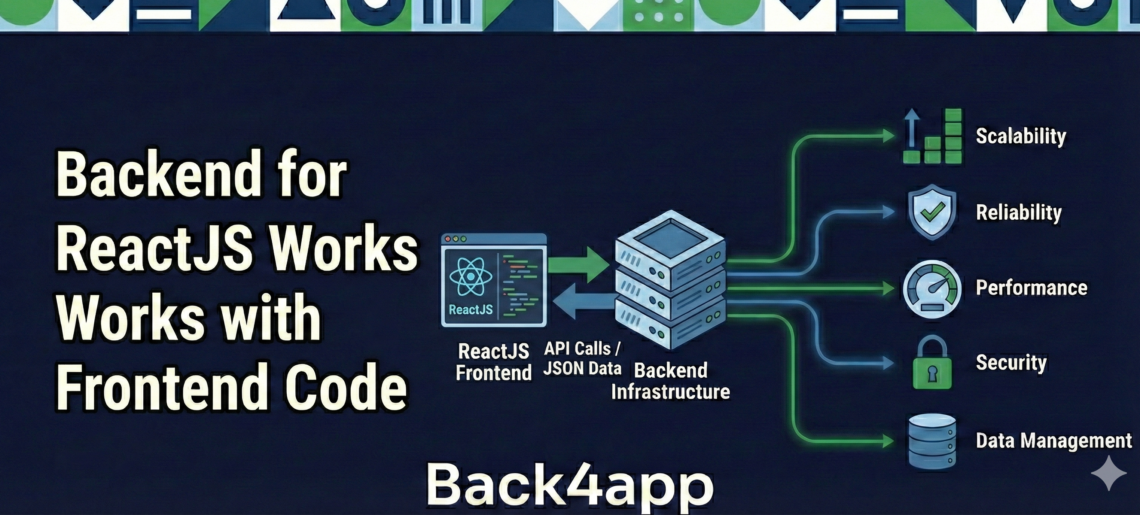
Backend for ReactJS Works with Frontend Code

ReactJS makes building websites and apps feel smooth and quick. It takes care of how things look and respond on the screen, from a simple button to a full layout. But the visual part is only half the story. Apps still need to save data, log in users, and update information in real time. That is where the backend comes in.

A backend for ReactJS works behind the curtain. It handles the heavy lifting so the screen your users see can stay fast and clear. When both sides work together, your app runs better and leaves a stronger impression.


How Backend Scaling Services Work

How Backend Scaling Services Work

When more people start using an app or website, things can slow down or even stop working if the systems behind the scenes are not ready.

That is why backend scaling services matter. They help apps stay fast, even when traffic spikes during busy times such as the December holiday season.

Think of it like running a hot chocolate stand on a snowy Saturday morning. If a small crowd shows up, one person can handle the job. But when the whole neighborhood comes by, you need more helpers, more cups, and more cocoa ready to go.

The same idea applies to apps. A smart backend scaling service makes it possible to handle more users without the technology falling behind.


API Backend Services for Better App Performance

API Backend Services for Better App Performance

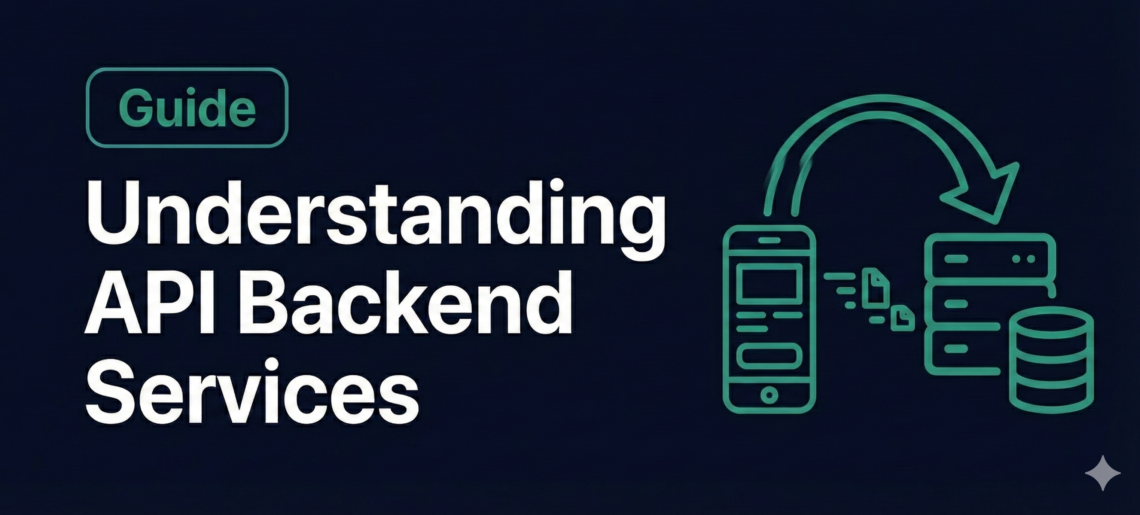
When an app runs slow, users notice. If it crashes or takes forever to load, they might not give it a second chance. That is why having a solid API backend service matters. It helps apps move faster, stay up longer, and deal with user requests without hesitation.

These services help the frontend (what we see and touch) work smoothly with the backend (what handles the data and actions). From pulling fresh content to saving profiles or logging users in, APIs handle the exchange fast. When our backend is steady and flexible, the app simply works better.

A well-constructed API backend service not only makes your current app run reliably, but also sets up a foundation that can support future growth and changes in the app’s design or features. As apps evolve, having a robust backend makes it easier to add new capabilities without causing disruptions for users.


Exploring Reliable Backend Hosting Options

Exploring Reliable Backend Hosting Options

When you’re building an app, the part users see often receives most of the attention. But the backend does just as much of the work. It is what keeps everything running behind the scenes, even when traffic increases or features become more complex.

A reliable backend hosting solution helps your app stay fast, stable, and ready for what comes next. Still, with so many options available, choosing the right one can feel like guesswork.

We understand how tough it is to decide, especially when timing matters. Winter break is often a popular time for launching app ideas or taking a step back to improve current builds.

So, it is a good time to slow down, learn, and lay the groundwork for something stronger.


How to Leverage a Backend Storage Service

How to Leverage a Backend Storage Service

When we build apps, we always need to ask one question early on: where should the app’s data live?

Whether it’s a photo someone uploads, a message between friends, or a saved game score, that information has to be stored safely so the app can use it later. That’s where a backend storage service comes into play.

A backend storage service is what helps apps remember things. It keeps all the important pieces of data organized and ready when users open the app again.

If we use it well, it can make apps run smoother and feel more reliable too. That matters a lot, especially during busy seasons like late November when shopping apps, games, and social platforms might see a huge jump in traffic.


The Role of Backend APIs in App Development

The Role of Backend APIs in App Development
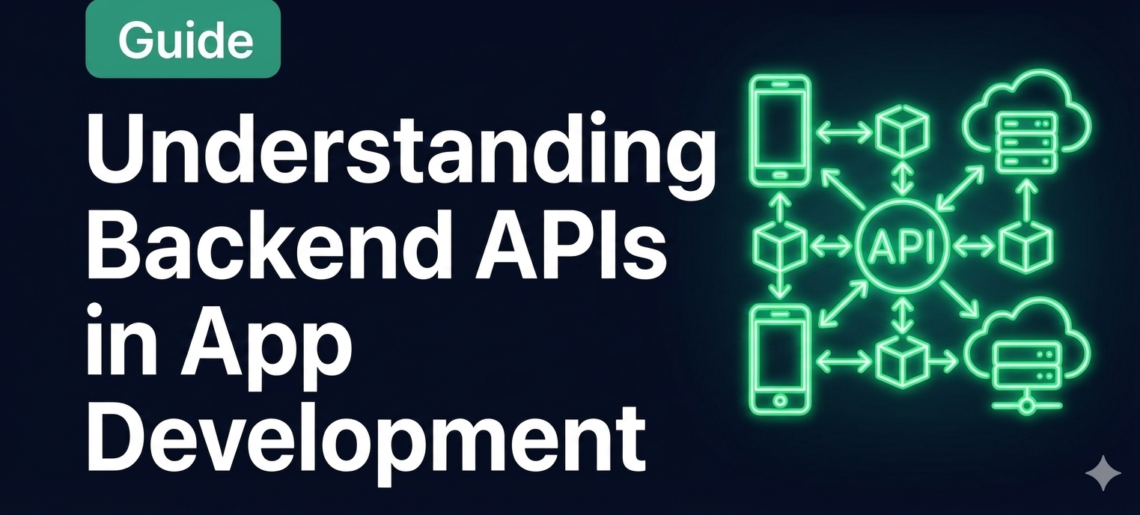
Understanding Backend APIs

It is hard to think of a day when we do not use apps. Whether we are checking the forecast, messaging friends, or ordering dinner, apps help us do all kinds of things more easily. Most people do not realize what makes those apps work behind the scenes.

That hidden work often comes down to something called backend APIs. These tools help apps do things like signing in, updating profiles, or pulling in the latest news without showing users all the steps. That is the magic of backend APIs in app development. They keep everything running smoothly so users can focus on the fun part.

While the user is tapping buttons and scrolling through screens, backend APIs are busy managing requests, handling data, keeping everything updated, and making sure nothing breaks even when a lot of users open the app at once.

The invisible nature of these APIs makes them easy to overlook, but every time an app responds quickly or loads fresh content, it is usually because of a backend API working silently in the background.

This ongoing support lets developers focus on polishing the design and user experience without constantly worrying about maintaining all the connections behind the scenes.


Best Practices for Backend for Mobile Applications

Best Practices for Backend for Mobile Applications

Building a mobile app feels exciting, but making sure everything works smoothly in the background is where things can get tricky.

The frontend might be what users touch and see, but the backend is what keeps it all running quietly and reliably. For developers, making the backend strong and flexible can make an app easier to scale and fix down the line.

When we talk about best practices for the backend for mobile applications, we are really talking about choices that help the app stay fast, safe, and ready for anything. A solid setup from the start can go a long way. Here is what we like to keep in mind when building out a backend that just works.


Firebase Backend as a Service (BaaS): 2026 Guide, Pricing & Alternatives

Firebase Backend as a Service (BaaS): 2026 Guide, Pricing & Alternatives
Firebase BaaS Backend as a Service

The goal of this guide is to provide a detailed analysis of the Firebase Backend as a Service platform. We will explore the features, 2026 pricing updates, pros and cons, and the best alternatives for developers who need more control or predictable costs.

In the high-stakes world of app development, speed is everything. Building a custom backend from scratch—managing servers, scaling databases, and securing API endpoints—can take months. This is where Backend as a Service (BaaS)platforms like Google Firebase step in.

While Firebase remains a market leader, the 2026 landscape has shifted. With new features like Firebase Data Connect(SQL support), the platform is more versatile than ever. However, the ‘Blaze’ plan’s pay-as-you-go model means monthly costs fluctuate with usage, making expenses less predictable than fixed-price alternatives.

In this environment, developers must look beyond the feature list and carefully evaluate long-term scalability and cost predictability.”


Top 10 backend servers for an Android app

Top 10 backend servers for an Android app
Top 10 Backend Servers for Android

In the modern mobile landscape, the success of a project relies heavily on its infrastructure. An Android application server is no longer just a database; it is the brain of your software, handling real-time data synchronization, AI processing, user authentication, and secure cloud storage.

For developers, the challenge isn’t just building the app—it’s choosing the right infrastructure. Should you use a fully managed Backend as a Service (BaaS) to ship faster, or a Platform as a Service (PaaS) for maximum control?

This guide ranks the best backend servers for an Android app, helping you navigate the trade-offs between speed, scalability, and cost.


open
Build, deploy and scale your app with Back4App Containers

open
Build, deploy and scale your app with Back4App Containers. Start today!