Every mobile app has something working behind the scenes to keep it going. That hidden part is called a backend.
It takes care of all the data, user accounts, messages, and other behind-the-curtain features that help the app run smoothly for users.
A mobile backend as a service (MBaaS) makes this process easier. Instead of building all that background stuff from scratch, we can use a ready-made mobile backend platform.
It saves time, cuts out the tricky setup work, and helps developers focus on building great apps. Picking the right one really matters because it shapes how fast and smoothly an app can come to life.
Mobile apps are part of everyday life, especially for people who use iPhones and iPads. These devices have their own style, and users expect their apps to perform smoothly without crashing or acting strange. That means developers need to build with care from the start.
One of the best ways to keep things simple is to use a mobile backend as a service platform. These tools take care of the parts users do not see, like storing data or sending updates.
When you are building an iOS app, the right backend can make things go a whole lot faster. In this post, we are focusing on mobile app backend hosting platforms that work well with iOS.
Our goal is to help you understand what to look for so you can choose a backend that keeps development quick and easy.
Every app has a backend. Think of it like the behind-the-scenes part of a play. Your users do not see it, but it is what makes everything work. It stores data, sends updates, and keeps everything running. Without it, your app would not do much at all.
That is where a serverless backend platform comes in. It offers a way to run all the behind-the-scenes operations without having to worry about complicated infrastructure.
There is no need to buy or manage servers, or set up rooms of machines. You can keep building without troubleshooting every little issue. It just works in the background while you put your energy into what your users see and experience.
Backend infrastructure has traditionally required a lot of upkeep, from setting up hardware to handling server outages and managing upgrades.
For most developers, these tasks take away from building features and delivering value to users. By using serverless platforms, you get to skip the infrastructure headaches and move right into development. This allows you to get your ideas to market faster and adapt as your project grows.
When people launch your app, they expect it to work. They’re not thinking about what’s happening behind the scenes. But we are.
That’s why having strong backend infrastructure services in place makes a big difference when it comes to how users experience the app, especially when traffic spikes.
Slow load times, error messages, or full-on crashes can send people away quickly. And once trust is broken, it’s not always easy to get back.
A reliable backend doesn’t just support how the app runs; it helps keep everything steady no matter how many users show up or how fast things grow.
With a dependable system supporting your app’s workload, you can worry less about sudden surprises and more about delivering value.
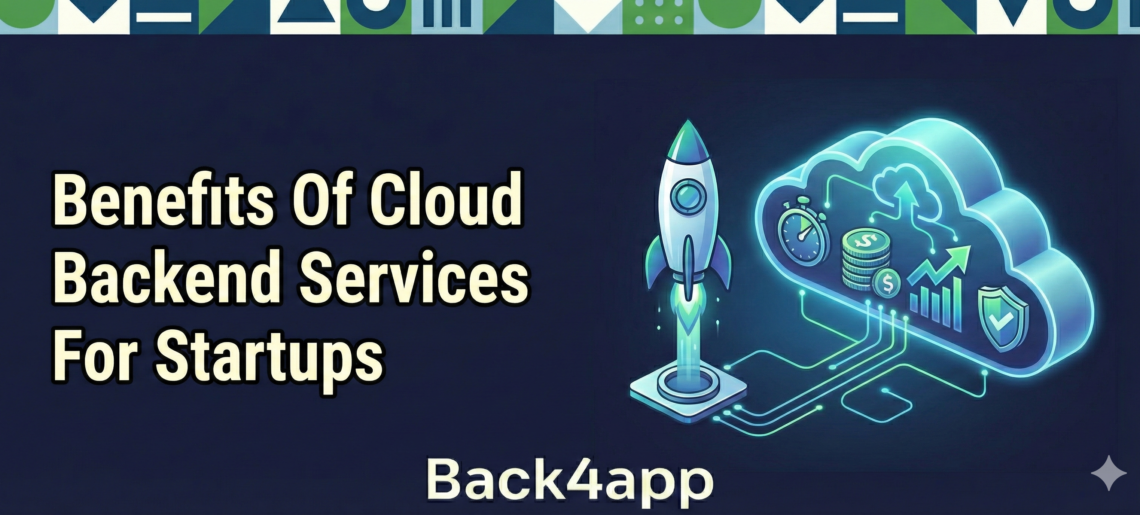
Most startups begin with a clear idea, a lot of energy, and a strong push to build fast. But as soon as that first version of the app gets out into the world, it becomes clear how many moving parts are involved.
From handling data to keeping everything up and running, the work behind the scenes adds up quickly. That’s where cloud backend services step in.
By handling the heavy lifting, cloud backend services help early teams move faster without getting stuck in technical slowdowns.
They allow us to focus on what really matters, like building a great product and listening to our users.
Let’s walk through how they help teams stay flexible, avoid delays, and stay ready for whatever comes next.
Most teams get busy fast. Between building features, fixing bugs, and answering user questions, it’s easy to lose track of how much time goes into small, behind-the-scenes tasks.
Things like logging users in, tracking updates, or moving data around may not seem like a lot at first. But over time, those jobs add up.
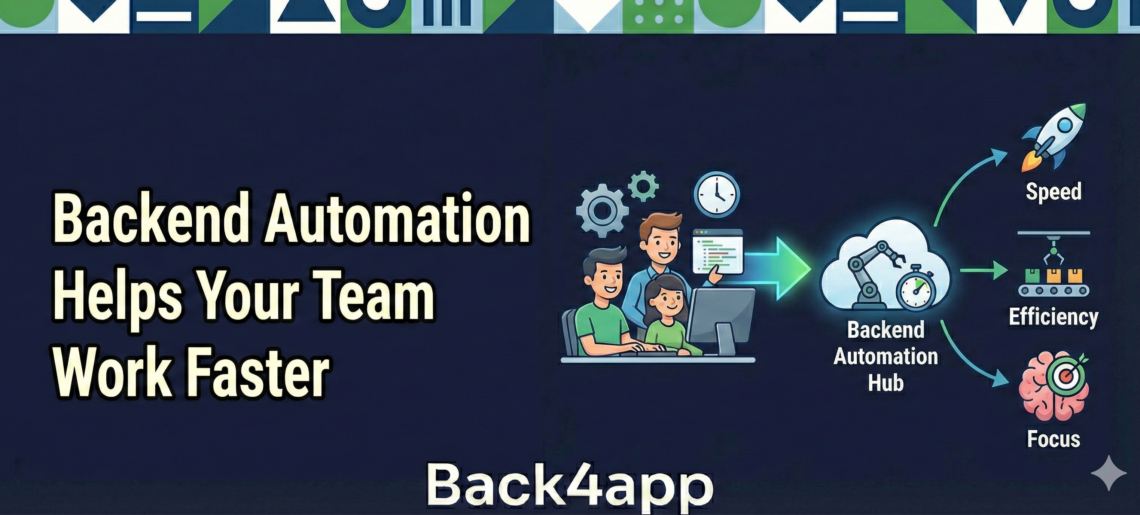
That’s where a backend automation service can help. It handles the parts of the work that repeat every day, so we don’t have to.
When things run quietly in the background, the whole team can move faster, with fewer slips and slowdowns. Let’s talk about what backend automation really means, how it supports stronger team workflows, and when it’s a smart idea to set it up.
As a project develops, these routine tasks only increase. Every new user or feature usually brings more checks and small processes to manage.
If teams do not find ways to handle these extra tasks, focus gets pulled away from the things that truly matter, like delivering new updates and solving bigger challenges.
Handling these repetitive assignments day after day can also lead to slow progress. Automating early means teams spend time on creative and strategic work instead of just keeping up with the basics.
React is one of the most common tools developers reach for when building web apps. It’s quick, flexible, and easy to work with on the front end. But React can’t do it all on its own.
Any app needs smart tech behind the scenes to handle data, users, and real-time updates. That’s where the choice of backend becomes a big deal.
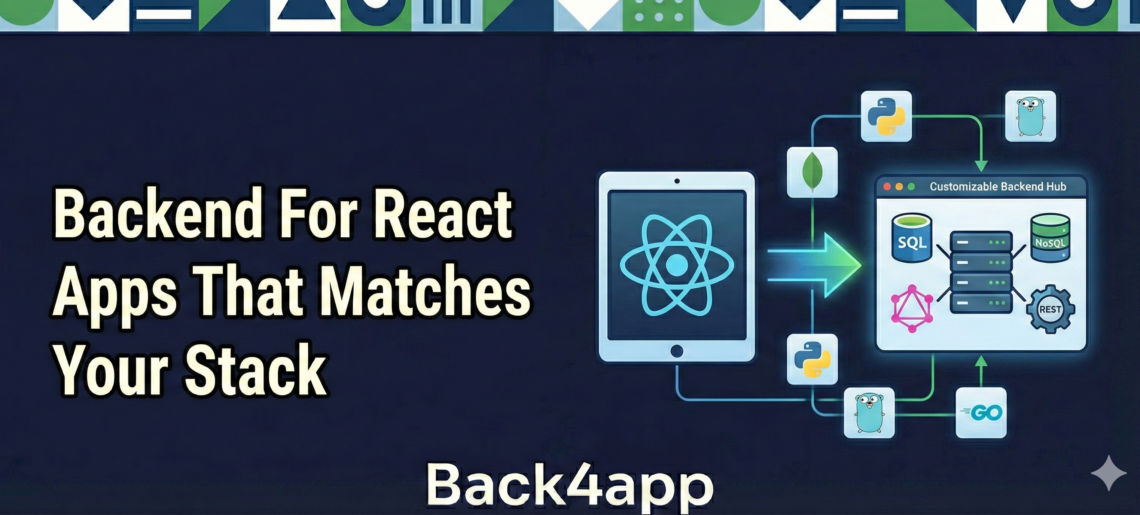
The truth is, there’s no single right answer for what backend to pair with React. It depends on how your app works, what tools you’re using already, and what your team is comfortable with.
Picking a backend that works smoothly with React means fewer surprises later. When we match the backend for ReactJS to the rest of our stack, we save time, avoid headaches, and build faster without cutting corners.
When building a new app, it’s easy to focus on features, screens, and how everything looks. That part can be fun.
But behind all the user actions, like clicking a button, logging in, or sending a message, there is a lot of work happening behind the scenes. If your app tries to handle everything by itself, it can only go so far before things start to break down.
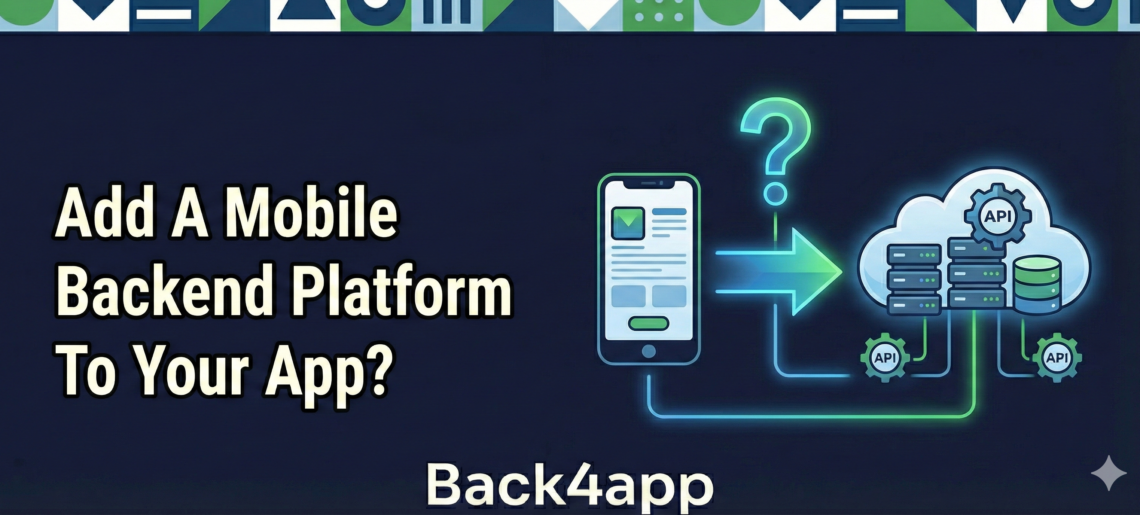
A mobile backend platform gives your app the support it needs to run smoothly. It helps with things like storing data safely, keeping track of users, and making sure updates happen fast.
Not every app needs this help right away. Still, there comes a time when adding backend support is less of a choice and more of a must. Here are some of the signs that show when it is time to bring in that extra help and why the timing matters.
Apps might look simple on the surface, but there is a lot going on underneath to keep everything smooth, fast, and connected.
Backend development services handle the part of the puzzle that users do not see but definitely rely on. From saving login information to sending notifications and keeping real-time chats going, the backend makes sure everything works the way it should.
When the backend is running well, apps can be stronger, safer, and easier to grow. It takes the pressure off developers by running things in the background like storing data, tracking users, and powering key features.
When we talk about making apps better and easier to build, it starts with a good backend setup that knows how to handle the hard parts.
Every software developer benefits from having the right tools close by. Whether we are writing our first few projects or have built an entire catalog of apps, the right setup helps us spend less time stuck and more time building what matters.
Better tools do not replace skill, but they can definitely make development smoother and more enjoyable.
As we head into the start of 2026, it is a good chance to clean up our workspace and think about what could make our app-building process easier.
From code editors to task trackers, there are helpful tools in every corner of our workflow. Putting together the best mix of tools for software developer tasks is part of what keeps projects moving and teams happy. Let’s look at some tools that can level things up without getting in the way.