Back4app Editorial Team

How App Backend Development Impacts Success

How App Backend Development Impacts Success

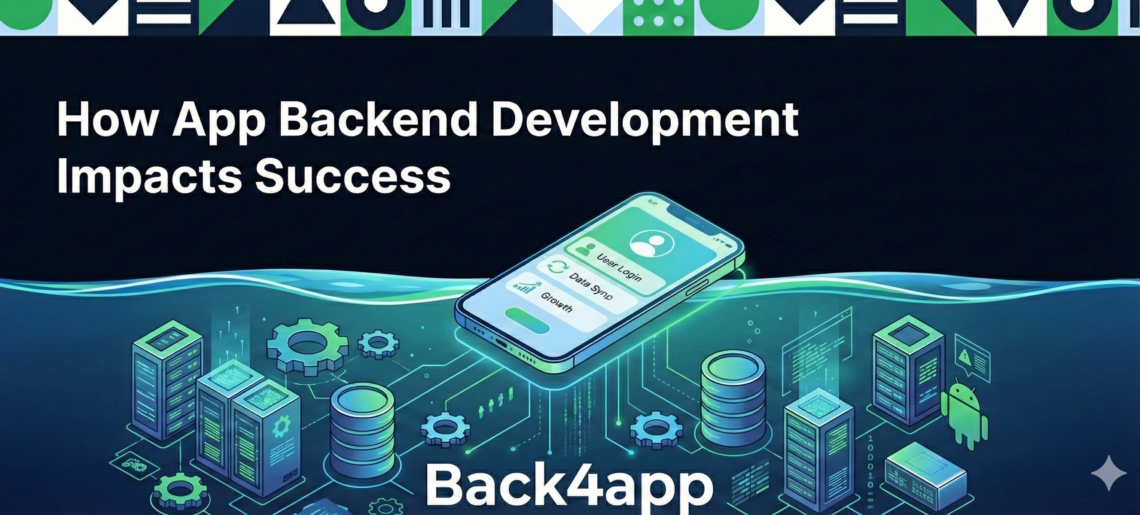
When we think about building an app, most of us picture buttons, images, or the general layout users see. But app backend development is just as important, even if it works behind the scenes. Without a well-built backend, the app cannot run right, no matter how good it looks.

A strong backend keeps everything moving as it should. It handles user logins, manages data, and helps the app grow when more people start using it. That is why it matters to know what backend development really means and how it can shape an app’s long-term success.

Backend development, which focuses on the server side and background processes, is a key part of any application. Users might never directly interact with it, but every feature and screen they touch depends heavily on backend support.

This invisible part of your project becomes especially important as your app gets more popular and needs to handle more requests, data, and users.


Backend Platforms That Streamline Mobile App Projects

Backend Platforms That Streamline Mobile App Projects

Building a mobile app can be exciting, but it’s easy to hit roadblocks, especially when it’s time to set up the backend.

That’s where many developers feel stuck. It is not just about writing code for what users see. Behind every smooth app is a strong setup that handles data, users, and updates, all without slowing down.

That’s why many of us look to a mobile backend platform to make things easier. These platforms help lift the weight off our shoulders by managing the tasks that usually take up the most time.

When the right tools are in place—like Back4app—we can spend more time building features and less time trying to fix server-side problems.


Cloud Backend Services for Modern Apps

Cloud Backend Services for Modern Apps

Most modern apps need more than just a pretty screen. Behind every smooth tap or swipe, there is a lot of work happening in the background.

That is where cloud backend services come in. These tools help apps stay fast, reliable, and easy to grow without overloading developers.

These days, apps do much more than launch and close. They store photos, chat in real time, save your progress, and handle hundreds or even thousands of users at once.

If the backend does not keep up, the whole app can fall apart. That is why it is helpful to think about how cloud tools do the heavy lifting behind the scenes.

When this part is handled well, developers can focus on building smart, fun, and useful features instead of fixing endless problems.


Exploring Reliable Backend Hosting Options

Exploring Reliable Backend Hosting Options

When you’re building an app, the part users see often receives most of the attention. But the backend does just as much of the work. It is what keeps everything running behind the scenes, even when traffic increases or features become more complex.

A reliable backend hosting solution helps your app stay fast, stable, and ready for what comes next. Still, with so many options available, choosing the right one can feel like guesswork.

We understand how tough it is to decide, especially when timing matters. Winter break is often a popular time for launching app ideas or taking a step back to improve current builds.

So, it is a good time to slow down, learn, and lay the groundwork for something stronger.


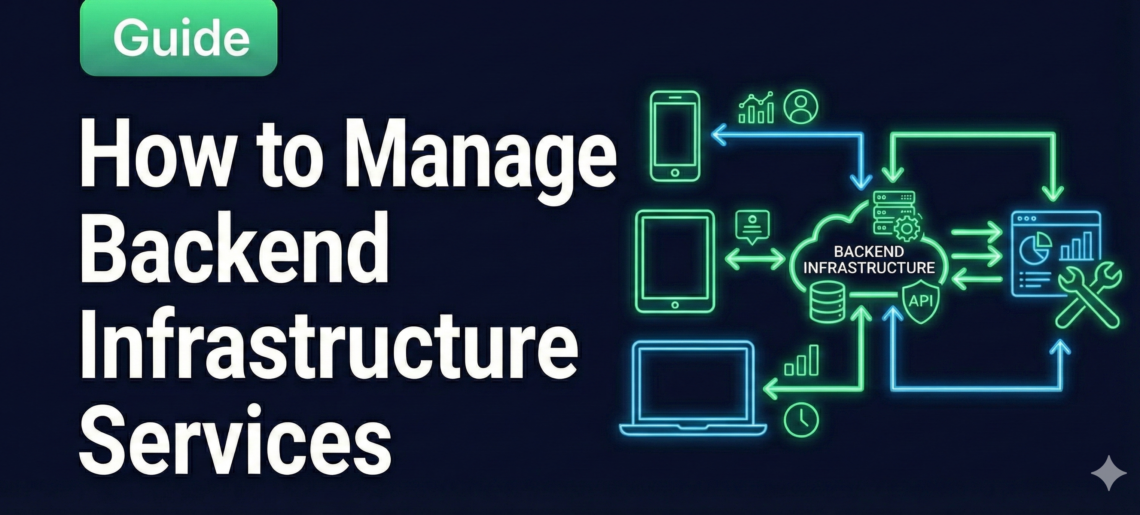
How to Manage Backend Infrastructure Services

How to Manage Backend Infrastructure Services

Backend infrastructure services are the behind-the-scenes parts of an app that help everything work smoothly.

They handle things most users never see, like saving files, managing who can log in, and making sure messages go through in real time.

If you have ever used a chat app, played a mobile game, or ordered food through an app, you have used backend services without even knowing it.

When these services are set up and managed well, the entire app runs more reliably. It loads faster, crashes less, and gives people a better experience.

If those services are not handled properly, users may run into problems like slow loading, lost account data, or frozen screens.

That is why knowing how to manage backend infrastructure services can make a big difference. Today, we are walking through some key areas to help keep everything running behind your app without stress or surprises.


How to Leverage a Backend Storage Service

How to Leverage a Backend Storage Service

When we build apps, we always need to ask one question early on: where should the app’s data live?

Whether it’s a photo someone uploads, a message between friends, or a saved game score, that information has to be stored safely so the app can use it later. That’s where a backend storage service comes into play.

A backend storage service is what helps apps remember things. It keeps all the important pieces of data organized and ready when users open the app again.

If we use it well, it can make apps run smoother and feel more reliable too. That matters a lot, especially during busy seasons like late November when shopping apps, games, and social platforms might see a huge jump in traffic.


The Role of Backend APIs in App Development

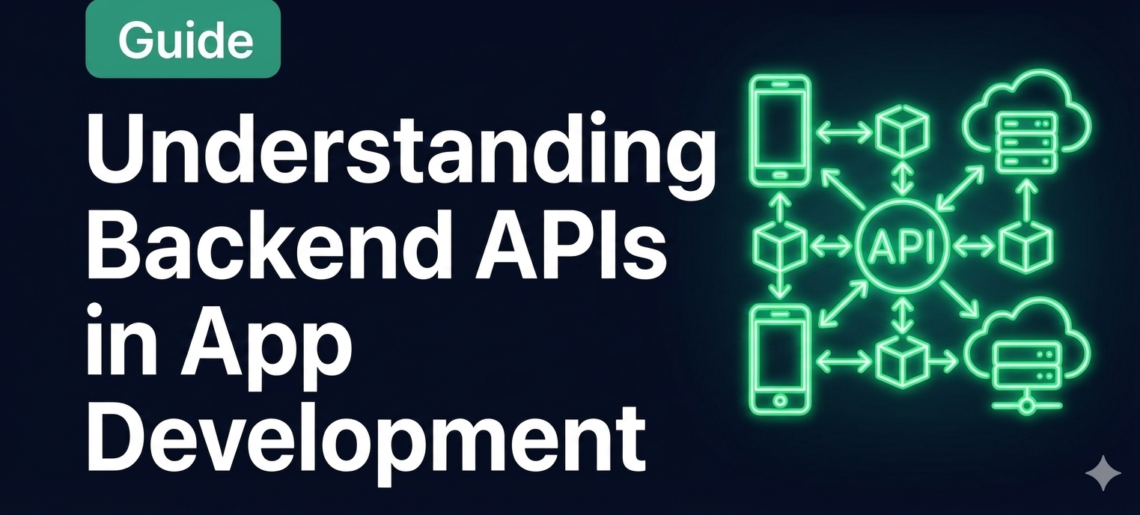
The Role of Backend APIs in App Development
Understanding Backend APIs

It is hard to think of a day when we do not use apps. Whether we are checking the forecast, messaging friends, or ordering dinner, apps help us do all kinds of things more easily. Most people do not realize what makes those apps work behind the scenes.

That hidden work often comes down to something called backend APIs. These tools help apps do things like signing in, updating profiles, or pulling in the latest news without showing users all the steps. That is the magic of backend APIs in app development. They keep everything running smoothly so users can focus on the fun part.

While the user is tapping buttons and scrolling through screens, backend APIs are busy managing requests, handling data, keeping everything updated, and making sure nothing breaks even when a lot of users open the app at once.

The invisible nature of these APIs makes them easy to overlook, but every time an app responds quickly or loads fresh content, it is usually because of a backend API working silently in the background.

This ongoing support lets developers focus on polishing the design and user experience without constantly worrying about maintaining all the connections behind the scenes.


Best Practices for Backend for Mobile Applications

Best Practices for Backend for Mobile Applications

Building a mobile app feels exciting, but making sure everything works smoothly in the background is where things can get tricky.

The frontend might be what users touch and see, but the backend is what keeps it all running quietly and reliably. For developers, making the backend strong and flexible can make an app easier to scale and fix down the line.

When we talk about best practices for the backend for mobile applications, we are really talking about choices that help the app stay fast, safe, and ready for anything. A solid setup from the start can go a long way. Here is what we like to keep in mind when building out a backend that just works.


Firebase Backend as a Service (BaaS): 2026 Guide, Pricing & Alternatives

Firebase Backend as a Service (BaaS): 2026 Guide, Pricing & Alternatives
Firebase BaaS Backend as a Service

The goal of this guide is to provide a detailed analysis of the Firebase Backend as a Service platform. We will explore the features, 2026 pricing updates, pros and cons, and the best alternatives for developers who need more control or predictable costs.

In the high-stakes world of app development, speed is everything. Building a custom backend from scratch—managing servers, scaling databases, and securing API endpoints—can take months. This is where Backend as a Service (BaaS)platforms like Google Firebase step in.

While Firebase remains a market leader, the 2026 landscape has shifted. With new features like Firebase Data Connect(SQL support), the platform is more versatile than ever. However, the ‘Blaze’ plan’s pay-as-you-go model means monthly costs fluctuate with usage, making expenses less predictable than fixed-price alternatives.

In this environment, developers must look beyond the feature list and carefully evaluate long-term scalability and cost predictability.”


Building with Backend Deployment Services That Fit Your App

Building with Backend Deployment Services That Fit Your App

Building an app can be exciting, especially when the idea starts to take shape. But once it is time to get everything working behind the scenes, things can feel a bit tricky.

Setting up servers, databases, and login systems is not the part most developers get excited about. That is where a backend deployment service can help.

These services handle the behind-the-scenes work, things like APIs, databases, and scaling, so we can focus more on the features our users will actually see.

When the backend setup fits our app’s needs, development feels smoother, and growth becomes less stressful. Let us take a closer look at what these services do and how we can find one that matches what we are building.


open
Build, deploy and scale your app with Back4App Containers

open
Build, deploy and scale your app with Back4App Containers. Start today!