George Batschinski

Backend as a Service (BaaS) Guide 2026: Tools, Pros, Cons & Trends

Backend as a Service (BaaS) Guide 2026: Tools, Pros, Cons & Trends
Backend as a Service BaaS or MBaaS

Updated: November 2025

It is the classic “Builder’s Dilemma”: You have a brilliant idea for an application that solves a real user problem. You have the user interface sketched out and the frontend framework selected. But then, reality hits.

Before you can ship a single feature, you have to spend weeks—sometimes months—configuring servers, setting up database clusters, writing boilerplate authentication code, and worrying about infrastructure security.

For many developers and founders, this backend friction is where great ideas go to die.

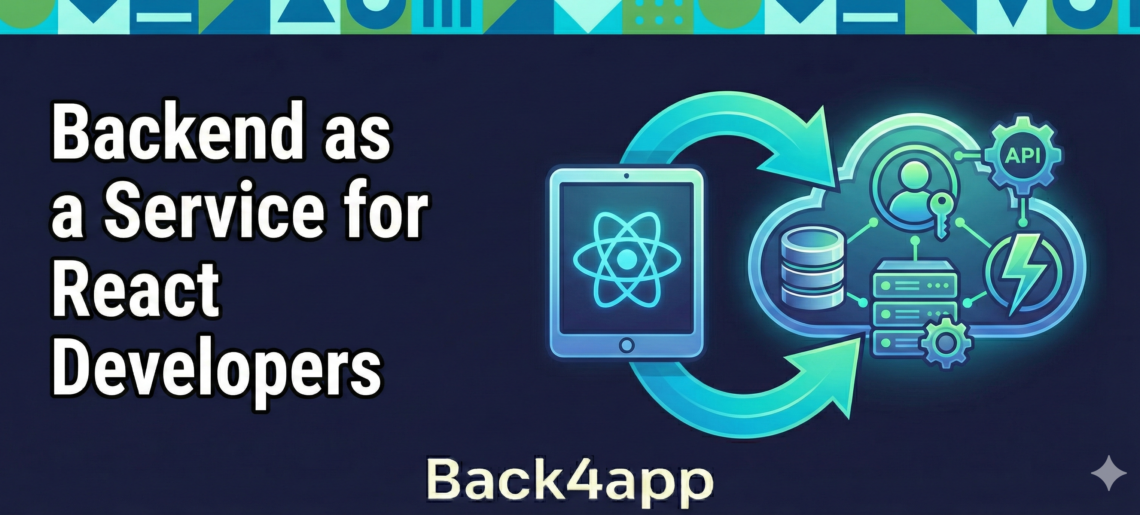
Enter Backend as a Service (BaaS). In 2026, BaaS has evolved from a simple prototyping tool into a robust cloud model that automates the heavy lifting of backend infrastructure. 

By outsourcing responsibilities like database management, user authentication, and push notifications, developers can focus entirely on the frontend and user experience.

The core value proposition is simple: Velocity. BaaS reduces engineering overhead and significantly accelerates time-to-market, allowing startups to launch MVPs in days rather than months.


Best Backend as a Service (BaaS) Providers in 2026: Top Platforms Compared

Last reviewed November 2025 with 2026 pricing/features.

This comprehensive backend as a service (BaaS) platform comparison reviews the best BaaS providers and leading cloud backend platforms in 2026.

It meticulously compares key features of the top vendors, including database models, hosting flexibility, AI support, pricing approaches, and best-fit use cases to help development teams choose the right managed backend. The goal is to determine which platform truly offers the best backend as a service for your specific project.

The guide covers modern managed backend services, serverless backend platform features, and no-code/low-code backends used for mobile and web applications, ensuring you find the right backend as a service provider whether you are building a fast MVP or a high-scale enterprise application.


The 10 Best Firebase Alternatives in 2025 (Open-Source, Cheaper & Self-Hosted Options)

Firebase alternatives

Last updated: November 2025

Looking for the best Firebase alternatives in 2025? This guide explores the top 10 platforms that developers are adopting to overcome Firebase’s challenges—such as vendor lock-in, unpredictable pricing, and limited hosting flexibility.

We’ll highlight industry-leading solutions like Back4App, AWS Amplify, Backendless, Kuzzle, Supabase, Appwrite, Nhost, Xano, PocketBase, and Hasura. Each offers distinct advantages, from open-source transparency and multi-cloud deployment to SQL support, GraphQL APIs, and real-time functionality.

Whether you’re building mobile, web, or IoT applications, this comparison will help you identify the right backend platform to scale your app efficiently while maintaining control and cost predictability.


The best free Heroku alternatives in 2025

The best Heroku alternatives

Are you looking for the best Heroku alternatives in 2025?

You are on the right place and this comprehensive tutorial will guide you about the best Heroku alternatives and cover competitors like Back4App, Render, Railway, and many more.

The article will first provide an overview of Heroku and highlight why users are looking for alternatives to Heroku.

Subsequently, this article will explore each Heroku alternative individually, covering the core features, pricing structure, and reviews.


What is Firebase? All the secrets unlocked

What is Firebase? All the secrets unlocked
What is Firebase_ All the secrets unlocked

This article will provide an in-depth analysis of Firebase, its significant pros and cons, pricing structure, and core features.

Developing robust and high-quality mobile applications is a proposition that requires much dedication, but more importantly, a powerful and feature-rich development platform.

Firebase from the Google stable is one such platform that has won over developers across the globe.

Firebase gives developers many options for creating highly functional and versatile web, Android, and iOS platform applications.

While several contenders are in the app development space, Firebase is constantly conversing with the best currently available platforms.

Read on to discover how Firebase works and gain in-depth insight into its capabilities.


The BaaS features you must know about

The BaaS features you must know about
BaaS Features

This article will cover the basic BaaS – Backend as a Service features and provide a comprehensive explanation of the characteristics of this cloud model. 

This guide will comprehensively present all basic and advanced features of Backend as a Service. 

We live in a digital era where mobile and web applications are being developed and released on a daily basis.

Allied Market Research claims through a recent report that the mobile application market will reach 777.4 billion USD by 2032.

This figure was 208.5 billion USD in 2022. It means the significance of the mobile application industry is snowballing. 

However, dev teams and businesses can only capture this opportunity if they efficiently build, deploy and release applications. In this regard, using MBaaS or BaaS platforms could be ideal.

Yes, Backend as a Service (BaaS) is a form of cloud computing that assists developers and businesses in quickly creating and deploying mobile and web applications. 

Hereof, you can focus on core competencies and writing frontend scripts, and BaaS will handle all of your server-side operations.

This approach supplies ready-to-use functionalities to deal with server activities, including hosting, authentication, database management and storage. 


Top 3 Firebase Alternatives in China

Top 3 Firebase Alternatives in China
firebase-alternatives-in-china

Firebase has transformed web and mobile app development through its outstanding Backend as a Service solution.

This all-in-one Google-backed platform empowers dev teams to robustly create highly interactive web, Android and iOS applications.

With this BaaS solution, you don’t have to write the long script from scratch and govern obscure protocols. 

Realtime Database, Cloud Firestore, push notifications, FCM, auto-scaling, auth, cloud functions, and Crashlytics are traits that give Firebase an edge over rivals.

Similarly, the free-tier package and user-friendly dashboard make this BaaS vendor perfect for startups and inexperienced developers.  

However, most Google services are inaccessible in China; sadly, Firebase is one of them. Indeed, Firebase doesn’t operate in Mainland China.

So, if your app targets the Chinese market, you should consider using these Firebase alternatives. 


The benefits of a Backend as a Service that you should know about

The benefits of a Backend as a Service that you should know about
Backend as a service benefits

This article will explore the benefits of using a BaaS – Backend as a Service platform. It will provide an overview of this cloud service and a list of core features.

A Backend as a Service automates server-side development and handles the underlying infrastructure. It delivers ready-to-use backend building blocks, allows users to outsource infrastructure management, and is used by app developers to build web and mobile apps.

The core features of a Backend as a Service include:

  • Scalable databases
  • APIs and SDKs
  • Serverless Functions
  • Notifications (Push Notifications, Email Notifications, etc)
  • Data Storage
  • User Authentication (Social Media, Email, etc)
  • Cloud Based Hosting

Back4App vs Heroku Comparison

This article will examine the similarities and differences between Back4App and Heroku. It will summarize both platforms and explore the core features and pricing models.


Building a mobile app backend architecture

Building a mobile app backend architecture

Do you want to build a mobile app backend architecture that scales without hassles? Follow this step-by-step practical guide for building a scalable mobile app backend architecture.


open
Build, deploy and scale your app with Back4App Containers

open
Build, deploy and scale your app with Back4App Containers. Start today!